Source Diesel Tractor Truck for Mining, Logistics, and Construction
Compare 30 diesel tractor truck listings from verified Chinese manufacturers. Buyers can evaluate horsepower, axle configurations, and emission standards to find suitable units for heavy haulage and long-distance transport applications.
Key considerations
Products List




Comprehensive Sourcing Guide
Strategic Sourcing Guide for Diesel Tractor Trucks
Technical Specifications and Performance Architecture
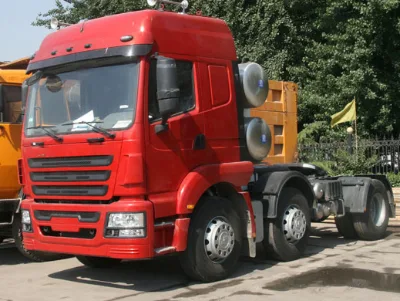
When sourcing a diesel tractor truck, the primary focus must be on the alignment between the vehicle's mechanical architecture and the specific operational demands of the intended logistics route. Based on current market offerings, the diesel tractor truck category is dominated by heavy-duty configurations designed for long-haul freight. The core powertrain typically features diesel engines with capacities ranging between 6 and 8 liters, or extending up to 12.42 liters for high-torque applications. Specific engine models observed in the market include the Wp12.400e201, Wd615.47, D12.42, Mc11, and Mc13. These engines are paired with manual transmission models such as the HW19710, HW19712, HW19716, or automated manual transmissions (AMT) like the ZF12 and ZF16 series, offering a balance of direct control and efficiency.
The drive configuration is a critical determinant of the truck's utility. The 6×4 configuration is the standard for heavy hauling, providing the necessary traction for maximum loads, while 4×2 and 8×4 variants serve specific niche applications. The axle setup is equally vital; front axles are commonly rated at 9.5 tons, while rear axles often feature dual-stage setups with a 16-ton capacity and a gear ratio ranging from 4.27 to 5.73. This configuration supports a load capacity between 41 and 50 tons, making these units suitable for heavy industrial and long-distance transport.
Performance metrics must be verified against the specific terrain and cargo requirements. The maximum driving speed for these units typically caps at 85 km/h, ensuring compliance with highway regulations while maintaining stability. Gradeability is a key performance indicator, with manufacturers stating capabilities between 20% and 40% depending on the horsepower rating, which generally falls within the 336HP to 460HP range. Fuel consumption is another significant operational variable, with observed ranges between 30 and 60 liters per 100 kilometers. Buyers should note that fuel tank capacities are substantial, typically ranging from 300 to 400 liters, often constructed from aluminum alloy to reduce overall vehicle weight while maintaining structural integrity.
Compliance, Certification, and Regulatory Standards
Navigating the regulatory landscape is essential for importing and operating diesel tractor trucks in international markets. The compliance status of a vehicle dictates its eligibility for registration and operation in specific regions. Current market data indicates that units are often designed to meet Euro 3 emission standards, though buyers must verify if newer models adhere to stricter Euro 5 or Euro 6 requirements depending on the destination country's environmental laws.
Certification is a non-negotiable aspect of the procurement process. Trusted suppliers typically provide documentation confirming compliance with major international standards. The observed certification landscape includes CCC (China Compulsory Certification), E-MARK for European markets, ISO9001 for factory quality management, and CE certification for specific components. Additionally, tire and safety certifications such as ECE, GCC, ISO, and DOT are frequently cited. These certifications ensure that the braking systems, tires, and overall vehicle construction meet safety thresholds. The braking system itself is a critical safety component, typically comprising a dual-circuit air brake system, an engine exhaust brake, and an Anti-lock Braking System (ABS) to prevent wheel lock-up during emergency stops.
Buyers must exercise caution when interpreting standard claims. While some listings mention specific dimensions such as 680024963563 mm or 560023001500 mm, these figures likely represent different packaging or chassis configurations rather than a universal standard. It is imperative to request the specific dimensional drawing for the exact model being purchased to ensure it fits within the logistical constraints of the buyer's depot or transport routes. Similarly, while certifications like ISO9001 are mentioned, they apply to the manufacturing process and do not guarantee the performance of every individual unit without a specific test report.
Cost Drivers and Total Cost of Ownership Analysis
The pricing structure for diesel tractor trucks is influenced by a complex interplay of specifications, customization options, and supply chain logistics. The observed price range in the market spans from approximately $2,761 to $40,000 USD. This wide variance is not indicative of quality differences alone but reflects the disparity between basic configurations and fully equipped, high-specification units. Factors driving the cost upward include the selection of premium engine brands like HOWO, the inclusion of automated manual transmissions (AMT), and the addition of comfort features such as air conditioning, power windows, and central locking.
The Minimum Order Quantity (MOQ) is a significant factor in procurement strategy. In the current market, the MOQ is typically set at 1 unit, allowing for flexibility in purchasing for individual fleet expansion or pilot programs. However, buyers should be aware that while the unit price may be low for a single order, the total cost of ownership (TCO) is heavily influenced by fuel efficiency, maintenance intervals, and the availability of spare parts. The fuel consumption rate of 30-60 L/100 km can result in substantial operational expenses over the vehicle's lifespan. Therefore, the initial purchase price should be weighed against the projected fuel costs and maintenance requirements.
Customization is a major cost driver. The availability of OEM customization allows buyers to tailor the vehicle to specific needs, such as modifying the cab layout, adjusting the axle ratios, or selecting specific tire specifications like 12.00r20 or 315/80r22.5 steel radial tires. While these customizations add value, they also extend the lead time and increase the unit cost. Buyers must balance the desire for specific features against the budget constraints, ensuring that the chosen configuration offers the best return on investment for the intended application.
Typical Applications and Operational Use Cases
Diesel tractor trucks are engineered for versatility, serving a wide array of industrial and commercial applications. The primary use case is heavy-duty long-haul transportation, where the 6×4 drive configuration and high load capacity of 41-50 tons are essential. These vehicles are ideal for moving bulk commodities such as construction materials, raw ores, and heavy machinery over long distances. The robust engine displacement of 9.726L to 12.42L ensures that the truck can maintain momentum on steep inclines and through challenging terrain, where gradeability of up to 40% is required.
In addition to long-haul freight, these trucks are utilized in construction and mining sectors. The durable steel construction and reinforced chassis make them suitable for navigating rough, unpaved roads common in mining sites and construction zones. The dual-circuit air brake system and ABS provide the necessary safety margins for operating in these high-risk environments. Furthermore, the availability of different drive configurations, including 8×4, allows for specialized applications where additional traction is needed for heavy loads on soft ground.
The cab configuration, typically accommodating two passengers with left-hand steering, is designed for driver comfort during extended shifts. Features such as the rear camera and optional air conditioning contribute to driver retention and safety. The fuel tank capacity of 300-400 liters supports extended range operations, reducing the frequency of refueling stops and increasing operational efficiency. Buyers should assess their specific route requirements to determine the optimal configuration, ensuring that the truck's capabilities align with the cargo weight, distance, and road conditions.
Supplier Evaluation and Quality Assurance Protocols
Evaluating a supplier for diesel tractor trucks requires a rigorous assessment of their manufacturing capabilities, quality control processes, and after-sales support. The origin of the vehicle, often Shandong, China, is a significant hub for heavy truck manufacturing, but buyers must verify the specific factory's reputation and capacity. A reliable supplier should provide clear documentation regarding the engine brand, transmission model, and axle specifications to ensure transparency.
Quality control is paramount in the heavy truck industry. Buyers should inquire about the factory's adherence to ISO9001 standards and request evidence of component-level CE certification. The production process should include rigorous testing of the braking system, engine performance, and structural integrity. The packing standard, which often involves polishing, waxing, and rustproofing before shipment, is a critical indicator of the supplier's attention to detail and commitment to protecting the asset during transit.
After-sales service is another critical evaluation criterion. The availability of online support and video technical support indicates a supplier's willingness to assist with troubleshooting and maintenance. Buyers should also verify the availability of spare parts and the lead time for delivery. While the MOQ is low, the supply chain stability for critical components like engines and transmissions must be assured to prevent downtime. A supplier with a strong track record in providing OEM customization and adhering to specific standards will be better equipped to meet the buyer's long-term needs.
Long-Term Procurement and Maintenance Considerations
Sourcing a diesel tractor truck is a long-term investment that requires careful planning for maintenance and lifecycle management. The curb weight of these vehicles, ranging from 7,000 to 15,000 kg, impacts fuel efficiency and road wear, which in turn affects operational costs. Buyers should consider the specific tire specifications, such as the 12.00r20 or 315/80r22.5 options, and ensure that the supplier offers a reliable supply chain for replacement tires and other consumables.
The engine model and displacement are key factors in determining the maintenance schedule and parts availability. Engines like the Wp12.400e201 or Wd615.47 have established service networks, but buyers must confirm the availability of genuine parts in their region. The transmission models, whether manual or AMT, also require specialized maintenance, and the supplier should provide clear guidelines for service intervals.
Furthermore, the customization options available, such as the frame packing and specific axle ratios, should be selected with future adaptability in mind. As regulations evolve, particularly regarding emission standards, buyers should consider the potential for retrofitting or upgrading the vehicle to meet new requirements. The initial investment in a high-quality, compliant unit can mitigate future costs associated with non-compliance or premature obsolescence. By focusing on these long-term factors, buyers can ensure that their diesel tractor truck fleet remains efficient, compliant, and profitable for years to come.
Comparative Analysis of Key Specifications
To assist buyers in making informed decisions, the following table summarizes the key technical specifications observed in the market for diesel tractor trucks. This comparison highlights the variability in configurations and helps identify the most suitable options for specific operational needs.
| Specification Category | Common Configuration A | Common Configuration B | Common Configuration C |
|---|---|---|---|
| Drive Configuration | 6×4 | 4×2 | 8×4 |
| Engine Model | Wp12.400e201 | Wd615.47 | Mc11 / Mc13 |
| Engine Capacity | 12.42L | 9.726L | 11.596L |
| Horsepower Range | 351-450hp | 336HP -460HP | 336HP -460HP |
| Transmission Type | Manual (HW19710) | Manual (HW19712) | AMT (ZF12/ZF16) |
| Front Axle | Man 9.5t | Man 9.5t | Man 9.5t |
| Rear Axle | 16t Man Dual Stage | 16t Man Dual Stage | 16t Man Dual Stage |
| Rear Axle Ratio | 4.77 | 4.42 | 5.73 |
| Tire Specification | 12.00r20 | 315/80r22.5 | 12.00r20 |
| Fuel Tank Capacity | 300L | 300-400L | 300-400L |
| Load Capacity | 41-50t | 41-50t | 41-50t |
| Emission Standard | Euro 3 | Euro 3 | Euro 3 |
| Braking System | Dual Circuit Air + ABS | Dual Circuit Air + ABS | Dual Circuit Air + ABS |
This table serves as a reference point for buyers to compare different configurations. It is important to note that specific values may vary based on the exact model and customization options selected. Buyers should always verify the detailed specifications with the supplier before finalizing a purchase to ensure the vehicle meets their precise operational requirements.
FAQs
What engine options are available for diesel tractor trucks?
Available engine models include Wp12.400e201, Wd615.47, D12.42, Mc11, and Mc13. These units typically feature displacement ranging from 9.726L to 12.42L with horsepower between 336HP and 460HP.
Which drive configurations are offered for heavy hauling?
The standard drive configurations include 6×4, 4×2, and 8×4 setups. The 6×4 configuration is most common for heavy hauling, supporting load capacities between 41 and 50 tons.
Can buyers request OEM customization for the vehicle?
Yes, OEM customization is available to tailor the vehicle to specific needs. Buyers can modify axle ratios, cab layouts, and tire specifications while maintaining the core diesel architecture.
What certifications ensure compliance for international markets?
Trusted units often carry CCC, E-MARK, ISO9001, and CE certifications. Tire and safety components may also hold ECE, GCC, ISO, and DOT certifications for regulatory compliance.
How is the braking system configured for safety?
The braking system typically includes a dual-circuit air brake, engine exhaust brake, and ABS. This setup prevents wheel lock-up and ensures stability during emergency stops.
What is the typical fuel tank capacity for long hauls?
Fuel tank capacities generally range from 300 to 400 liters. These tanks are often constructed from aluminum alloy to reduce vehicle weight while maintaining structural integrity.